The reverse logistics it is one of the biggest operational and financial challenges for any supply chain manager. Managing returns quickly, efficiently and profitably is no longer an added value, but an essential requirement to protect profit margins in B2B and e-commerce environments.
Poor return flow management generates blocked stock, obsolescence and high administrative costs. To avoid this, you need to integrate returns into your overall strategy of warehousing and integral logistics, ensuring that each returned item is inspected, recatalogued and reintroduced into the supply chain without friction.
How we optimise the returns process
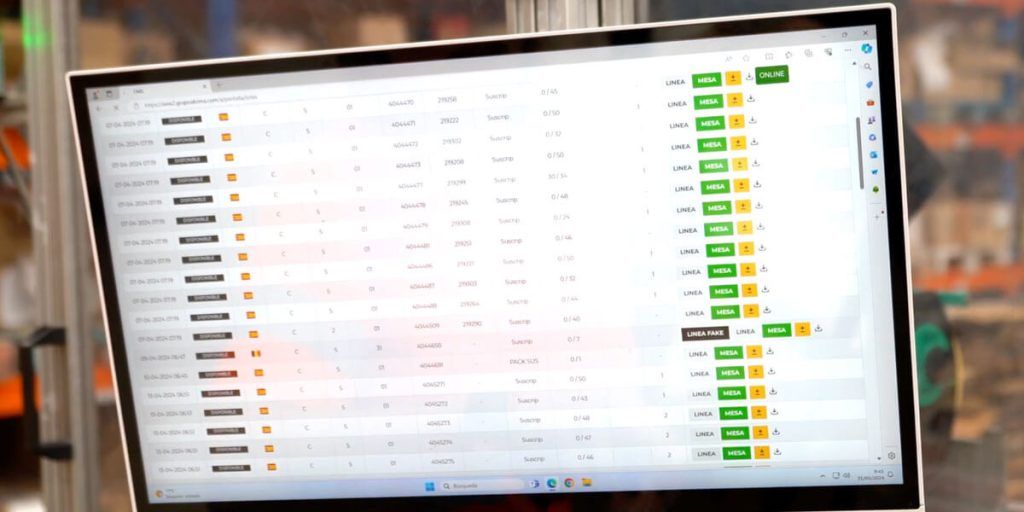
Our operating model combines technology and physical capability to streamline every phase of the return process. We do not just receive parcels; we apply a rigorous protocol from the very moment they enter our facilities, supported by advanced processes of entry and verification of goods.
- Reception and registration: Immediate parcel identification and real-time inventory update.
- Quality inspection: Verification of the product condition according to the specific standards of your sector.
- Refurbishment: Repackaging, labelling and handling and co-packing to get the item ready for resale.
- Relocation or redundancy: Return to available stock or safe waste management if the product is unsuitable.
Sectors with high reverse logistics requirements
Each industrial sector requires a different treatment for its returns. Traceability and regulatory compliance make the difference in regulated sectors such as cosmetics or parapharmacy, where it is vital to comply with strict regulations similar to those described in our comprehensive guide to the ISO 22716 standard.
Likewise, warehouses that manage products with specific safety requirements must have the appropriate infrastructure, taking into careful consideration the intrinsic high risk level 8 to ensure safety during the handling and storage of returns.
Integrate efficient reverse logistics into your supply chain
Reducing the financial impact of returns requires flexible infrastructure and specialist staff. Whether you operate through digital channels or traditional distribution, automating and streamlining this process directly improves your end customers' satisfaction and optimises your working capital.
Do you need to outsource and optimise your company's returns flow? Contact our team to study a bespoke solution for your facilities and logistics operations.
Preguntas frecuentes
What exactly is reverse logistics in the B2B and e-commerce environment?
It is the process of planning, implementing and controlling the flow of raw materials, work-in-progress inventory and finished goods from the point of consumption to the point of origin, for the purpose of recovering value or ensuring proper disposal.
How does good returns management influence profitability?
Reduce the time the product spends sitting idle, cuts manual handling costs and enables the item to be swiftly reintroduced into saleable inventory, minimising losses from obsolescence.
Can returned products be refurbished for resale?
Yes. Through quality control, repackaging and refurbishment processes, many products are restored to their optimal selling condition, drastically reducing the impact of returns on the profit and loss account.
What should I bear in mind when outsourcing reverse logistics?
It is essential to have a logistics operator that provides real-time traceability systems, the ability to adapt to demand peaks, and strict verification and quality control protocols according to your sector.